
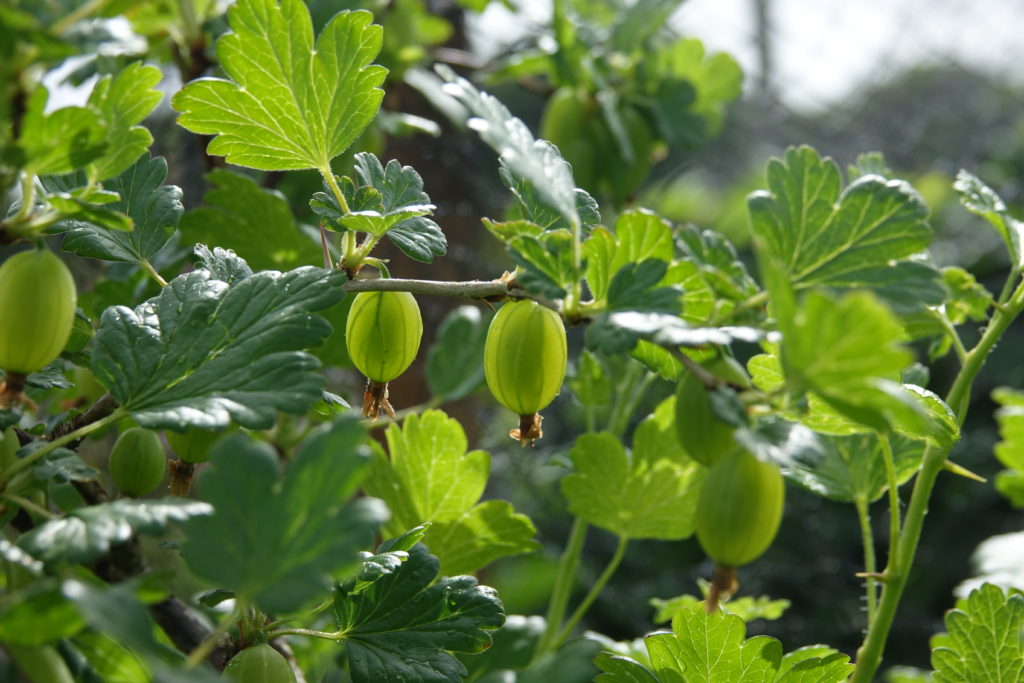
Foraging is a great way to explore Edinburgh’s green spaces, get your kids involved in nature’s rhythms, and come home with a bag of tasty swag! Be it berries for a homemade jam, or nettles for a fresh and nutritious pesto, foraging around Edinburgh cuts down our food miles to zero, and costs absolutely nothing!
But what is safe to eat? Where should you look? And when is the best time to go? Here’s our Slow Food beginner’s guide to foraging among the woods, paths and riverbanks of Edinburgh and its surroundings.
For more info, or to team up with like-minded amateur foragers, reach out to the Slow Food Edinburgh community. We’d love to hear from you, and we’re often to be found at Edinburgh’s farmers’ markets and other events!
Spring: (March – May)
After a long Scottish winter, spring is the time to banish cabin fever with a burst of vibrant, punchy greens. This is probably the best time for beginners to start their foraging career, as the plants are easy to identify and give a lot back in terms of flavour and goodness.
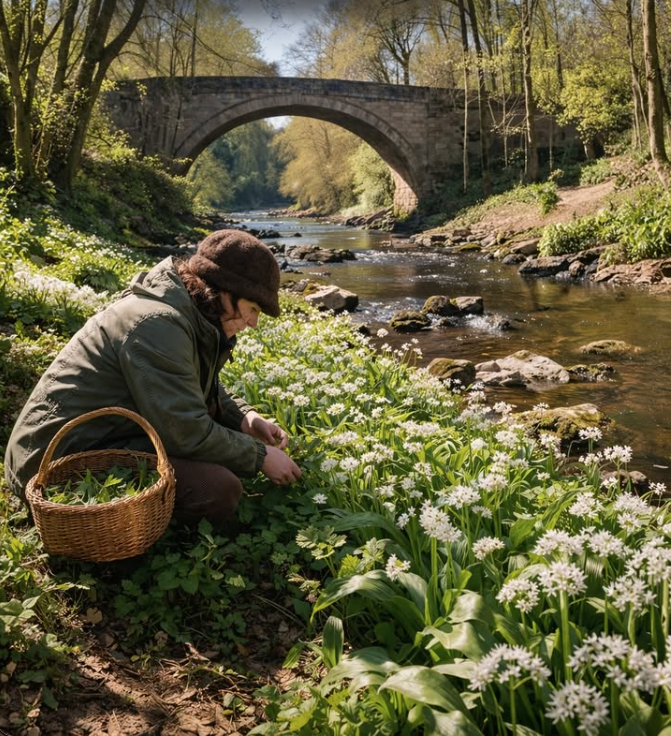
- Wild Garlic (Ramsons): You will usually smell it before you see it. Covering the damp, shaded floors of places along the Water of Leith or further out towards Roslin Glen, wild garlic leaves are perfect for whizzing into a vibrant green pesto, folding into weekend scrambled eggs, or baking into sourdough.
- Gorse Flowers: The bright yellow bushes lining Arthur’s Seat and the Braid Hills smell distinctively like coconut and sunscreen. Infuse them into syrups, toss them into salads, or use them to flavour homemade cordials. It’s also worth keeping an eye out for Cleavers (Sticky Willy) whose young, bright-green spring tops can be chopped up and added to stews.
- Nettles: Catch them while the top leaves are young and tender. Packed with iron, they make a beautifully earthy soup, delicious pesto when combined with garlic, olive oil and hard cheese, or a simple and comforting herbal tea. They’re easy to find at this time of year – in parks, greens, and along cycle paths. Just remember your thick gardening gloves as they sting!
Summer: (June – August)
Summer shifts the forager’s focus from leaves to delicate flowers, elder blossoms, and the very first berries.
- Elderflower: In June, the creamy white umbrella-shaped clusters of the elder tree appear along the Roseburn Path and other cycle routes in the direction of Saughton. Foraging these can quickly become a family ritual! Take them home to brew a refreshing summer cordial, or infuse a naughty gin and tonic.
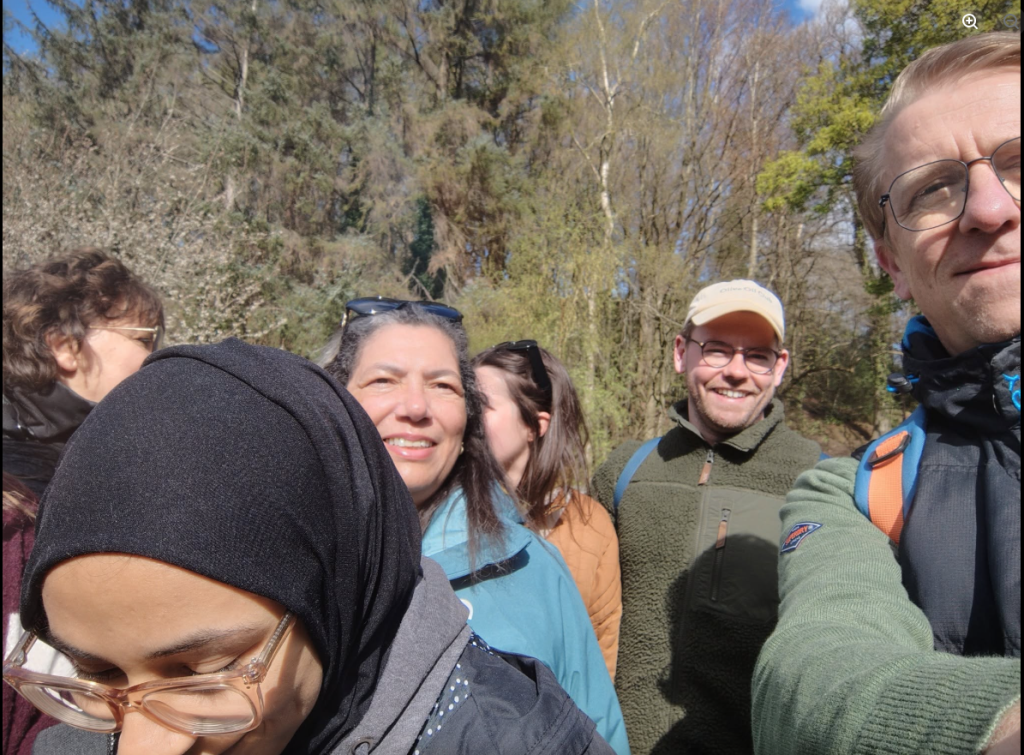
- Chanterelle Mushrooms: For the slightly more adventurous, summer rains bring wild mushrooms to the pine woods just outside the city boundaries in Midlothian and East Lothian. Rule number one: If you aren’t 100% sure, leave it behind! Rule number two: consider joining us on a beginner’s foraging expedition like the one we did in May 2025 with one of our favourite expert foragers, Amy Rankine.
- Sea Buckthorn: Heading down to the coast towards Portobello or Cramond? Keep an eye out for these bright orange berries. They are incredibly sharp and packed with Vitamin C, making them brilliant for tangy sauces, sorbets, or morning wellness shots. They are also sometimes classified as an invasive weed, so by eating them you are doing the environment a favour!
Autumn: (September – November)
Autumn is all about rich, deep flavours, pie fillings, and preserves to store away for the darker months.
- Brambles (Blackberries): The ultimate crowd-pleaser. You can find massive patches of brambles trailing along the many bicycle paths that criss-cross Edinburgh. Spend an afternoon filling tubs with the kids and turn them into crumbles, jams, or a comforting apple-and-blackberry pie.
- Elderberries: Once the elderflowers are gone, deep purple bunches of elderberries take their place. Never eat them raw. Instead simmer them down with a bit of honey and spices, they make a powerful winter-guarding immune syrup.
- Sweet Chestnuts: If you’re up for exploring some of Edinburgh’s old parks and woodlands such as the Cammo Estate, you might find some sweet chestnuts among the fallen leaves, although they tend to be pretty tiny thanks to the Scottish climate! If you get lucky and find some big ones, score an ‘X’ on the flat side when you get them home, and roast them in the oven for a smoky, nutty treat. Not to be confused with horse chestnuts of course, which are toxic!
The Rules of Safe Foraging
- 100% Certainty: Never, ever ingest a wild plant or mushroom unless you are completely sure of its identity. Use multiple guidebooks, a plant-identification app, or even better, team up with a Slow Food foraging expert.
- Take Only What You Need: Leave plenty behind for local wildlife and to ensure the plant can regenerate next year. A good rule of thumb is to take no more than 1/10th of what is there.
- Watch the Height: Avoid picking anything close to the ground on busy dog-walking paths or right next to heavily polluted main roads. Wash everything thoroughly when you get home!